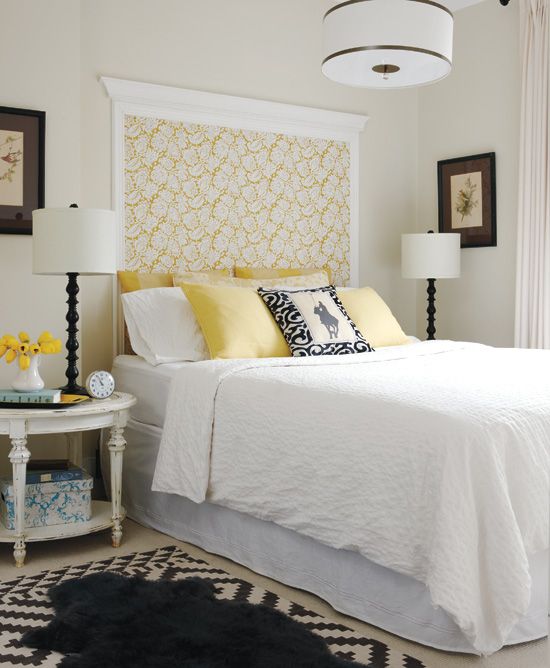
Last week I worked on an interesting project using architectural designed wallpaper. My client wanted the beds in her downtown DC condo to have headboards but space was a consideration. The solution was to use wallpaper as trompe l’oeil. With architectural wallpaper you can imitate crown moldings, chair rail moldings, headboards, room paneling, false doors, borders, etc. For example, you may want to add architectural elements to make a room look/feel more classical.
If you have questions about using wallpaper or you want to know more about ordering your wallpaper, email or call me.
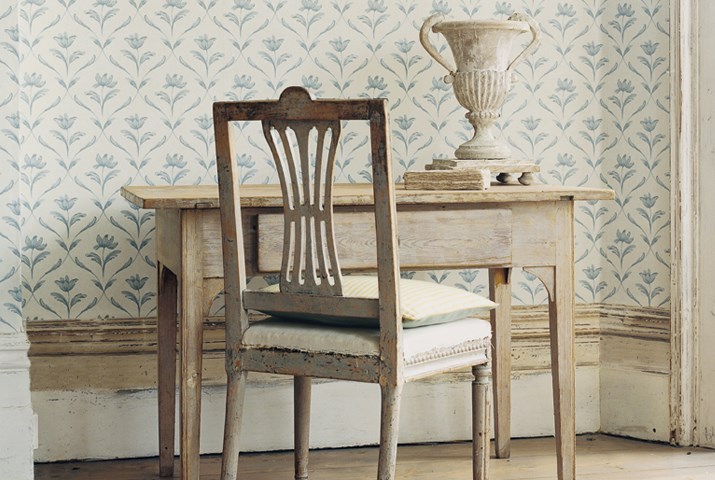
Wallpaper manufacturers like Zoffany now have the ability to bring you fabulous classical designs via computer generated printing methods. They can replicate great designs like 18th century Chinoiserie scenics or a classical Swedish 18th century design like the photo above. By using modern printing techniques and rich opaque pigments Zoffany can display authentic textures of natural wood and rough. These papers are far more affordable thanks to technology advances over the past ten years. I install papers like this several times a month.
Hand-painted Wallpapers
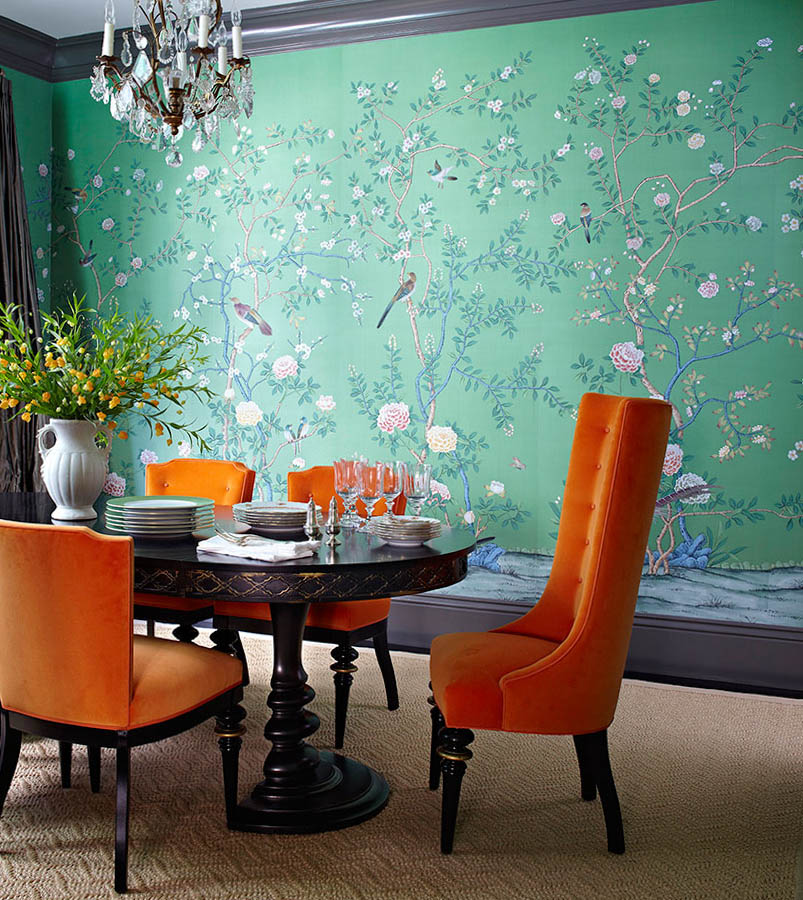
de Gorunay and others still produce hand-painted, custom scenics. An artist creates the design for your specific space, using the colors you select and further customization you would like. Then the design is hand-painted (most likely in Asia) and then shipped to you to be installed. I install hand-painted papers several times a year.
Computer-Generated vs. Hand Painted?
What’s the difference between the two wallpapers? Besides the cost and the customization, the designs and the art technique are the same. Installation-wise there is a difference. The computer-generated wallpaper is regular wallpaper. Hand painted paper is far more delicate and more difficult to install. Think of it as getting a Picasso poster vs. a Picasso painting.
I worked on the restoration of the Ford’s Theatre Peterson House to prepare for today’s 150th anniversary of Lincoln’s death. PBS NewsHour has a good article about Lincoln’s final day. Working in Lincoln’s death room was an honor … to feel the connection to our history and the sacrifices made to make America a better place.